
The hidden psychology driving gambling decisions in casinos
The Allure of Chance and Skill
The dynamics of gambling are influenced by both chance and skill, creating a unique cocktail of psychological factors that drive player decisions. Players often perceive games of chance as thrilling adventures, where the randomness of outcomes can lead to either immense joy or deep disappointment. This unpredictability taps into the human brain’s love for excitement, making it challenging for individuals to resist the urge to gamble. The rush of potentially winning a jackpot triggers the brain’s reward system, releasing dopamine and fostering a euphoric experience. At jabibet casino, players can explore games that offer both skill and chance, enhancing their overall experience.

On the other hand, skill-based games like poker provide players with a sense of control that further enhances their involvement. Players engage in strategic thinking, bluffing, and reading opponents, which can evoke feelings of empowerment. This interplay between chance and skill creates a complex relationship with gambling; individuals may be drawn to the excitement of luck while simultaneously seeking the mastery of skill-based games. Understanding this duality offers insight into why players may return to casinos, despite the inherent risks.
The blend of chance and skill generates a stimulating environment that keeps players hooked. Casinos are designed to maximize this psychological engagement, featuring games that vary in the balance of luck and strategy. The anticipation that comes with each spin of the roulette wheel or card dealt in poker creates suspense, which can be highly addictive. This psychological push can lead players to make more daring decisions, often blurring the lines between rational judgment and emotional impulse.
The Role of Environment in Gambling Decisions
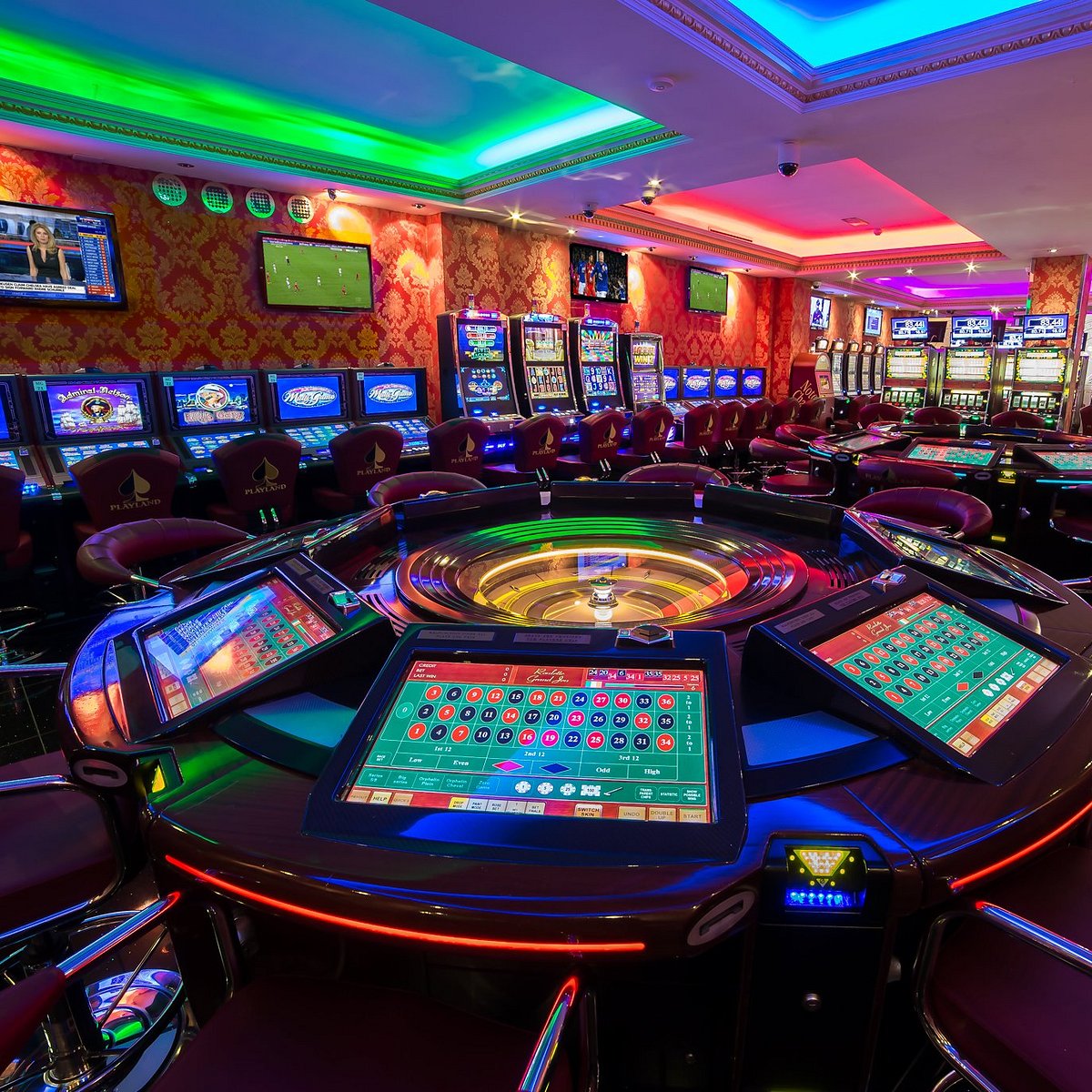
The casino environment is meticulously crafted to enhance the gambling experience. From the moment players step inside, they are immersed in a sensory overload designed to entice. Bright lights, cheerful sounds, and the hustle and bustle of activity create a vibrant atmosphere that stimulates excitement. This environment plays a critical role in shaping decisions, often encouraging longer play and higher bets. The allure of the surroundings can overshadow rational thinking, leading players to make impulsive choices that they might not otherwise consider.
Another important aspect of the casino environment is its social component. Many people find gambling more enjoyable when shared with friends or fellow players, leading to increased engagement. The communal aspects, such as cheering for a win or commiserating over a loss, amplify the emotional experience. This social interaction can reinforce a player’s desire to gamble, as they associate it with fun and camaraderie, even when the odds are against them.
Additionally, casinos often employ strategies like free drinks or loyalty rewards to keep players engaged. These tactics can create a sense of loyalty and encourage extended play, leading to increased spending. The combination of environmental stimulation and social dynamics creates a fertile ground for decision-making that is often influenced more by emotion than by careful calculation. Players may find themselves drawn to games they would typically avoid simply due to the inviting atmosphere surrounding them.
The Influence of Cognitive Biases
Cognitive biases significantly impact gambling decisions, often leading players to overestimate their chances of winning. The illusion of control is a prevalent bias, where individuals believe they can influence outcomes in games of chance through skill or strategy. For example, a player may think that their betting patterns can affect the results of a slot machine, despite the machine’s random nature. This cognitive distortion can lead to increased gambling and loss, as players fail to recognize the inherent risks involved.
Another common bias is the gambler’s fallacy, where individuals believe that past events can influence future outcomes. For instance, a player might assume that a certain number is “due” to come up in a game of roulette after several spins without it appearing. This belief can lead to reckless betting and an increased likelihood of chasing losses, ultimately contributing to a downward spiral. Understanding these cognitive biases can help individuals make more informed gambling decisions and avoid the pitfalls associated with them.
Furthermore, the concept of loss aversion plays a critical role in how players approach gambling. The fear of losing can often outweigh the potential joy of winning, leading players to take excessive risks to avoid losses. This psychological tendency can create a cycle of continuous betting, where individuals are driven to recoup losses rather than walk away when they should. By recognizing these biases, players can work towards more rational decision-making and minimize their vulnerability to the psychological traps that casinos create.
The Importance of Responsible Gambling
With the thrill of gambling comes the responsibility to engage in it wisely. Understanding the psychological factors that drive gambling decisions is essential for promoting responsible behavior. Players must learn to differentiate between entertainment and addiction, recognizing when their gambling habits become detrimental. Setting limits and sticking to them is crucial to maintaining a healthy relationship with gambling, allowing individuals to enjoy the excitement without suffering significant consequences.
Education about the risks of gambling and the psychological triggers involved can empower players to make informed decisions. Casinos have a role to play in this as well, with many now promoting responsible gambling initiatives. These programs aim to raise awareness about the potential for addiction and provide resources for individuals who may be struggling with their gambling habits. By fostering a culture of responsibility, both players and casinos can contribute to a safer gambling environment.
Furthermore, understanding personal triggers can be a key strategy for responsible gambling. Players should reflect on their motivations and recognize what compels them to gamble, whether it’s seeking excitement, escaping stress, or socializing. By identifying these triggers, individuals can better manage their gambling habits and make conscious choices rather than succumbing to impulse. Ultimately, promoting responsible gambling is essential not only for individual well-being but also for the integrity of the casino industry as a whole.
Exploring Online Gaming Options
As the landscape of gambling continues to evolve, online casinos have emerged as a prominent alternative to traditional gaming venues. Platforms such as JabiBet Casino offer a seamless user experience, allowing players to enjoy the thrill of gambling from the comfort of their homes. This shift to online gaming introduces new psychological dimensions, such as the ease of access and the anonymity it provides. Players may find themselves more willing to take risks when gambling online, as the immediate feedback and rewards can intensify the overall experience.
Online casinos often leverage data analytics to tailor their offerings to individual preferences, creating a personalized gaming experience. This customization can foster a deeper engagement, as players feel more connected to their gaming environment. The immediacy of online betting, coupled with promotions and competitive odds, can heighten the excitement and contribute to impulsive gambling behaviors. It’s crucial for online platforms to emphasize responsible gambling practices, ensuring players remain aware of their habits.
Furthermore, mobile applications like the JabiBet app enable players to access a wide array of games on-the-go, adding another layer of convenience. While this accessibility can enhance the gaming experience, it also poses risks of over-indulgence. The combination of alluring bonuses, constant connectivity, and immersive gameplay can amplify the psychological triggers associated with gambling. Therefore, fostering awareness and providing tools for responsible gaming is essential in the online arena to maintain a healthy balance for players.